Fiber Weighing Rolling Machine Integrated Fiber Blowing Filling Packing Line

Fiber Weighing Rolling Machine Integrated Fiber Blowing Filling Packing Line
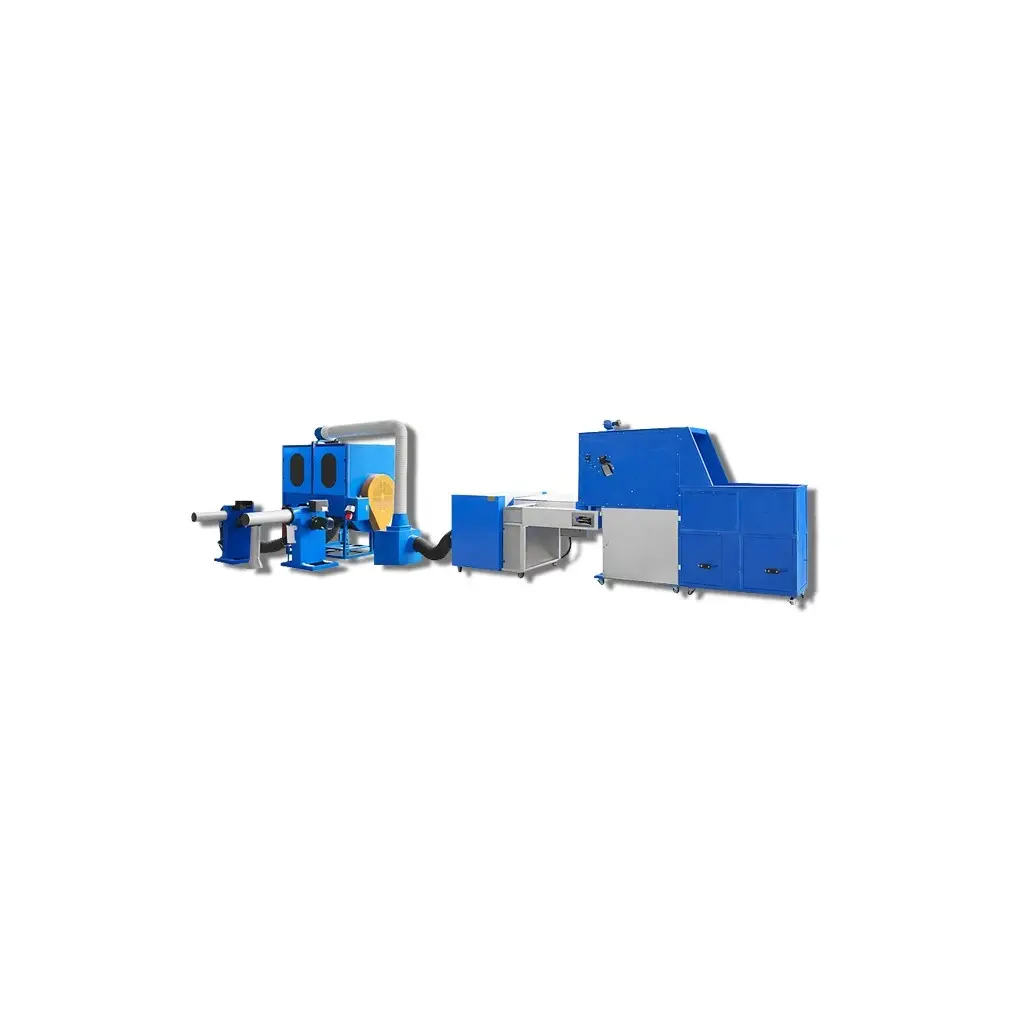
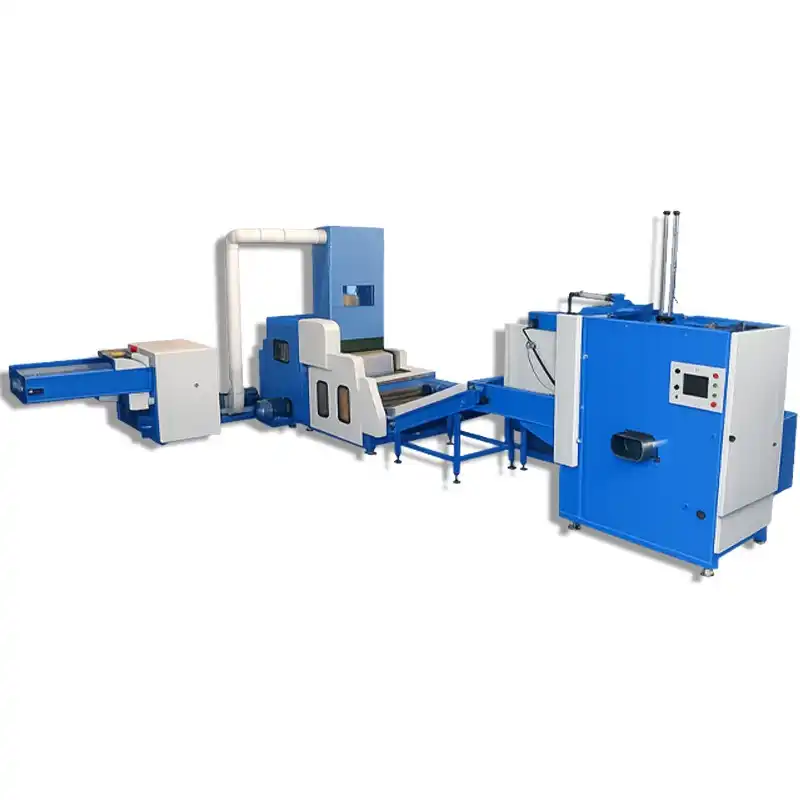
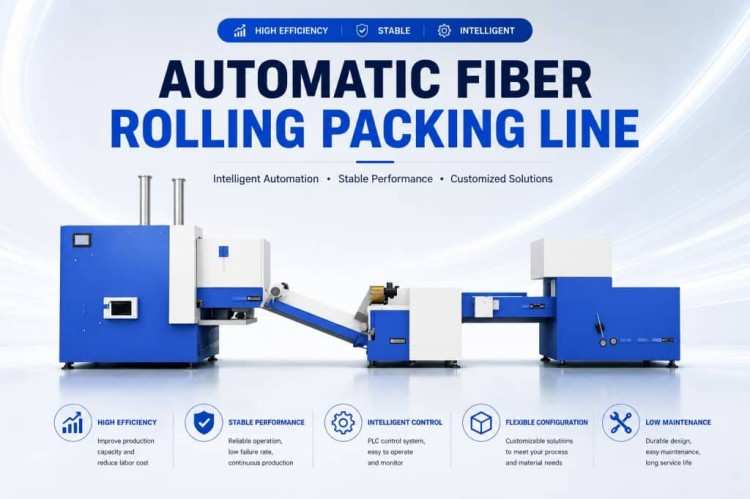
INNOLD provides production line solutions for fiber rolling and filling, specifically designed for the efficient manufacturing of fiber-filled pillows, cushions, bolsters, and other soft home textile products.
This production line integrates processes such as fiber pre-treatment, opening, carding, rolling, and filling into a cohesive, synchronized manufacturing system.
Parameters—including fiber roll length, diameter, filling weight, and equipment configuration—can be flexibly adjusted to accommodate various finished product specifications.
INNOLD offers customized production line configurations tailored to each client’s specific filling materials, product dimensions, production capacity requirements, desired level of automation, and factory layout.
Main Features of Fiber Pillow Filling Packing Line:
Integrated process combining fiber opening, rolling, and filling
Adjustable length and diameter for fiber rolls
Consistent and stable fiber roll formation
Optimized fiber distribution for superior filling appearance and quality
Optional equipment available for feeding, weighing, stitching, and packaging
Suitable for pillows and cushions of various sizes
Production line configuration can be customized to specific requirements
Model | IN-RP230 |
Size | 6450*1600*2500mm |
Power | 2.2kw |
Weight | 1400kg |
Air Pressure | 1.0Mpa |
Capacity | 4-5 pcs/min |
Voltage | Customizable |
Export Dimensions | Customizable |
How Does a Fiber Pillow Roll Packing Line Work?
A typical production process can be divided into six main stages:
Raw Material Feeding → Fiber Opening → Carding/Web Formation → Fiber Rolling → Pillow Core Filling → Finishing
Step 1: Raw Material Feeding
Raw fiber materials are introduced into the production system using appropriate feeding equipment.
Depending on the production line configuration, automated feeding equipment can ensure a continuous supply of fiber, transporting it to subsequent processing stages.
This helps minimize manual handling and maintains the stability of the production process.
Step 2: Fiber Opening
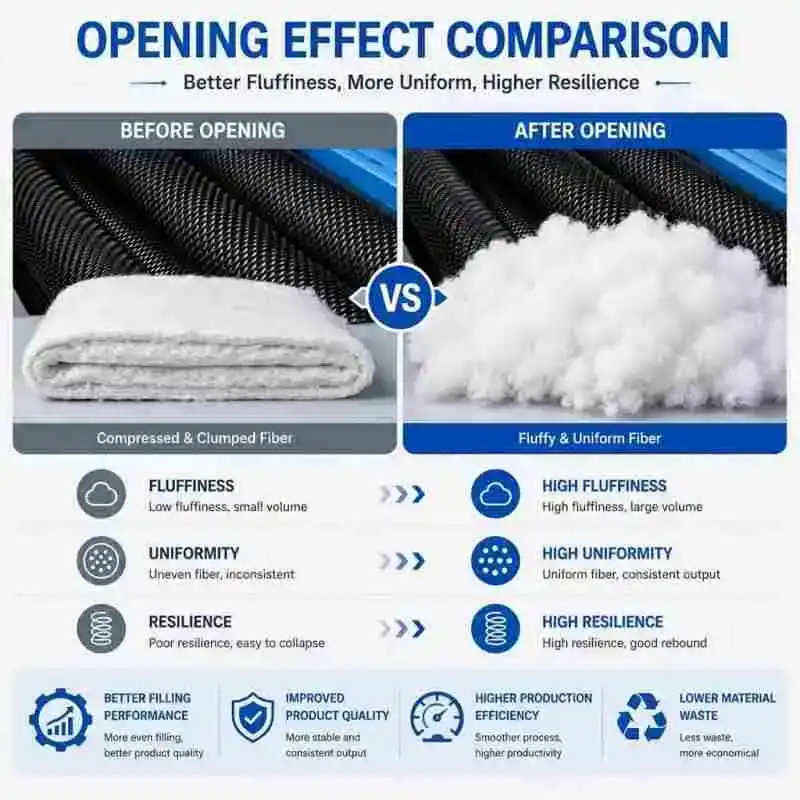
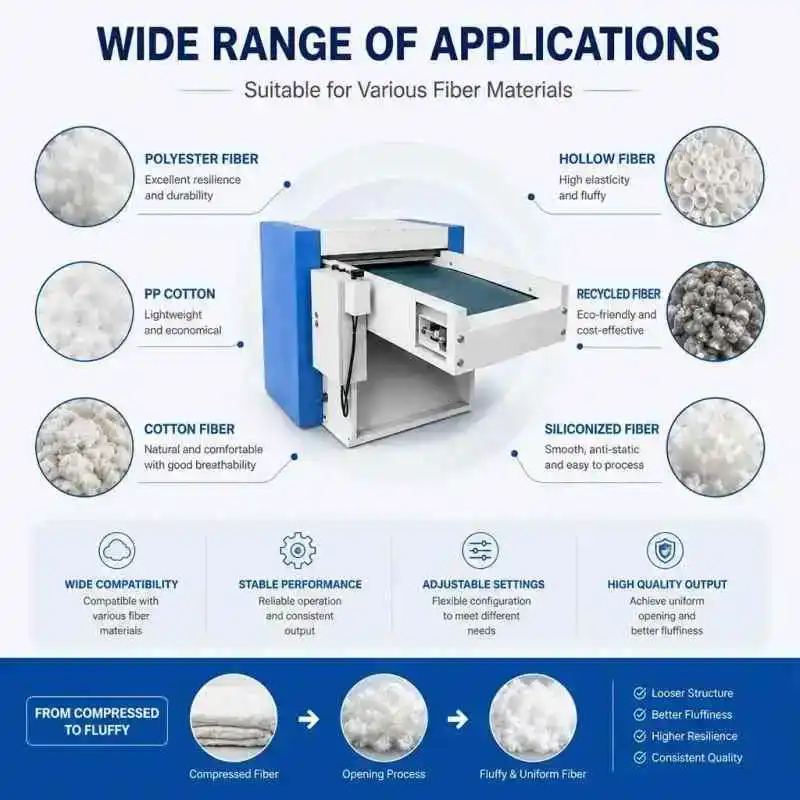
A fiber opening machine separates compressed or tangled raw fibers, restoring them to a loose, fluffy state.
Fiber opening is a crucial preparatory stage, as compressed clumps of fiber would otherwise interfere with subsequent carding and rolling processes.
The specific opening technique employed depends on the type, length, fineness, and physical condition of the fibers.
Step 3: Fiber Carding and Web Formation (Layering)
Following the opening process, the fibers are processed into a relatively uniform fiber layer or web.
Through a suitable carding or web-forming system, the fibers are distributed evenly across a specified working width.
The resulting fiber layer serves as the foundation for the subsequent rolling process.
Depending on the equipment design, the system may also incorporate functions such as material distribution, layer thickness adjustment, conveying, and cutting.
Step 4: Automated Fiber Rolling
A Fiber Rolling Machine processes the fiber layers into cylindrical or other specifically shaped rolls.
The rolling process can be adjusted according to the product's dimensional specifications and filling requirements.
Key functions include:
Rolling raw fiber material into rolls
Controlling the length and diameter of the rolls
Ensuring consistency in the shape of the rolls
Preparing fiber cores for the subsequent filling process
Reducing the need for manual rolling
This represents the core distinction between a "rolled-fiber filling production line" and a traditional "loose-fiber blow-filling production line."
Step 5: Inserting Rolled Fiber Filling
Once the fiber has been rolled, the prepared fiber core is inserted into the pillowcase or cushion cover.
Depending on the equipment used, the rolling and filling system may employ a mechanical pusher or a dedicated filling station to feed the rolled fiber material into the cover.
The filling method must be compatible with the dimensions, opening size, and structural design of the textile cover. This process allows for more controlled internal fiber arrangement.
Step 6: Product Finishing and Packaging
After filling, the product undergoes inspection and subsequent finishing processes.
These processes may include:
Adjusting the shape of the pillow
Checking the distribution of the filling material
Sealing or stitching the cover opening
Attaching labels (sewn or adhered)
Quality inspection
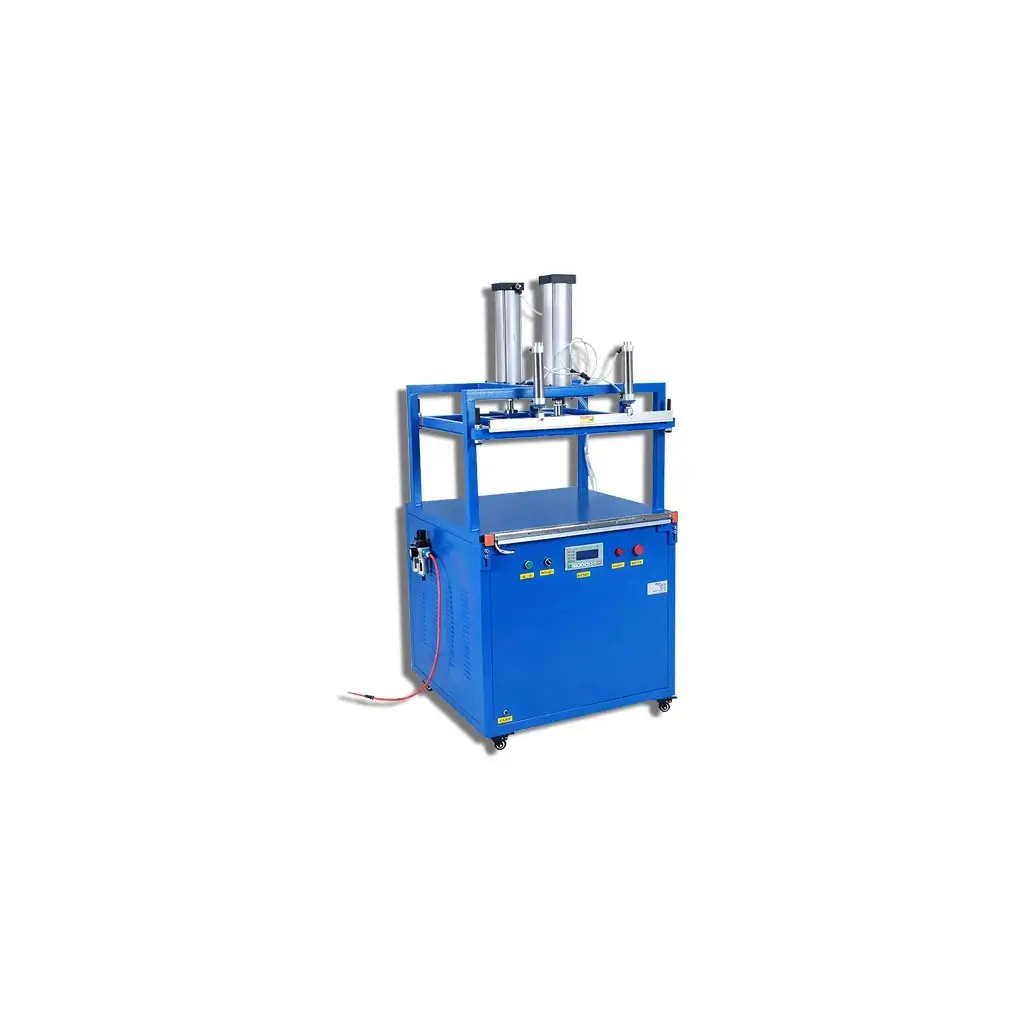
Compression packaging (optional)
Manufacturers may choose to incorporate additional finishing and packaging equipment based on their specific requirements.
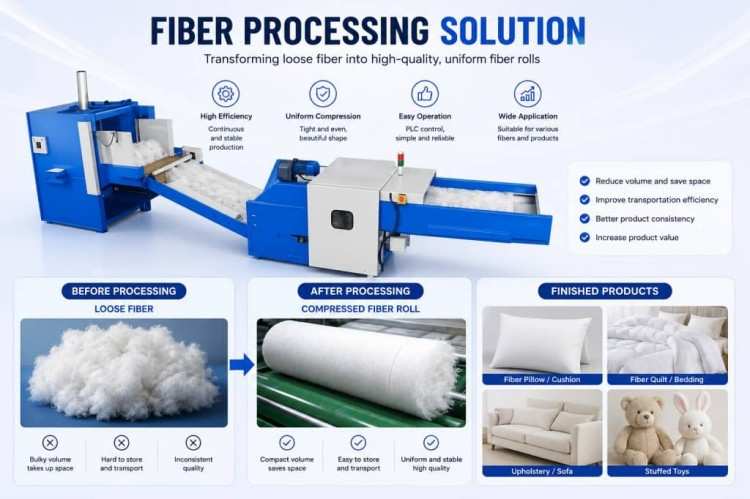
Main Machines Included in the Integrated Fiber Blowing Filling Packing Line
A fiber rolling and filling production line can be configured with various pieces of equipment, depending on the specific manufacturing process required.
4.1 Automatic Fiber Feeder
The automatic fiber feeder is responsible for transporting raw fiber material to the downstream processing equipment.
Key Advantages
Enables continuous fiber transport
Reduces the need for manual material handling
Ensures a more stable material supply
Suitable for integrated production systems
Offers flexible equipment configuration
This equipment is particularly well-suited for manufacturers utilizing continuous production lines.
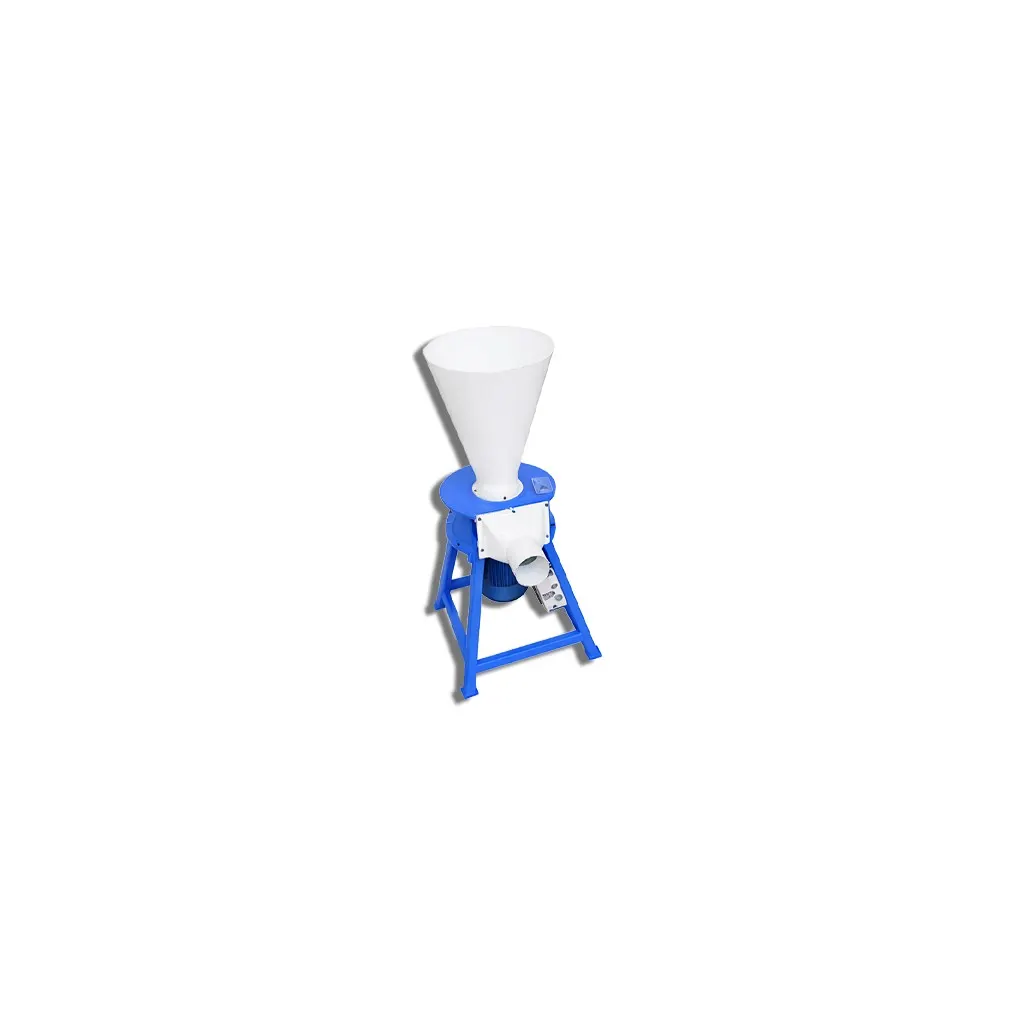
4.2 Fiber Opener
The fiber opener is used to loosen compressed raw fiber material prior to the carding and rolling stages.
Key Advantages
Separates entangled fibers
Increases fiber loft (fluffiness)
Breaks down large clumps of fiber
Prepares the material for more uniform downstream processing
Supports continuous fiber pre-treatment
Different types of fiber openers can be selected based on material specifications and production requirements.
4.3 Fiber Carding Machine
The fiber carding machine processes opened fibers into a more uniform fiber web or layer.
It plays a crucial role in preparing the material for the controlled rolling process.
Key Functions
Distributes and aligns fibers
Forms a fiber web
Controls the uniformity of the material layer
Prepares material for the fiber rolling process
Enhances the consistency of the pre-treated fiber layer
The specific carding configuration depends on the raw materials used and the desired fiber-filling structure.
4.4 Fiber Feeding and Cutting System
An appropriate feeding and cutting mechanism allows for the pre-treatment of fiber layers according to specific pillow dimension requirements.
Depending on the equipment configuration, this system can control the length or quantity of fiber delivered during each rolling cycle.
Key Advantages
Ensures more consistent material delivery
Allows for adjustable processing lengths
Facilitates production for pillows of various sizes
Reduces the need for manual fiber cutting
Improves the continuity of the workflow
4.5 Fiber Rolling Machine
The fiber rolling machine rolls the pre-treated fiber layers into compact, precisely sized rolls, which are then used for filling pillows or cushions.
Key Advantages
High consistency in fiber roll formation
Adjustable roll dimensions
Stable operation during the rolling process
Reduces the need for manual rolling
Suitable for a wide range of product specifications
INNOLD can consult with clients to determine optimal roll dimensions and equipment configurations based on their specific requirements.
4.6 Rolled Fiber Filling Machine
The rolled fiber filling machine inserts pre-formed fiber rolls into corresponding pillowcases or cushion covers.
This equipment is specifically designed for inserting pre-formed fiber cores, as opposed to simply blowing loose fiber into the product.
Key Advantages
Controlled insertion of rolled fiber
Improved internal filling structure
More uniform appearance for the finished pillows
Reduced manual labor for the filling process
Suitable for various types of pillows and cushions
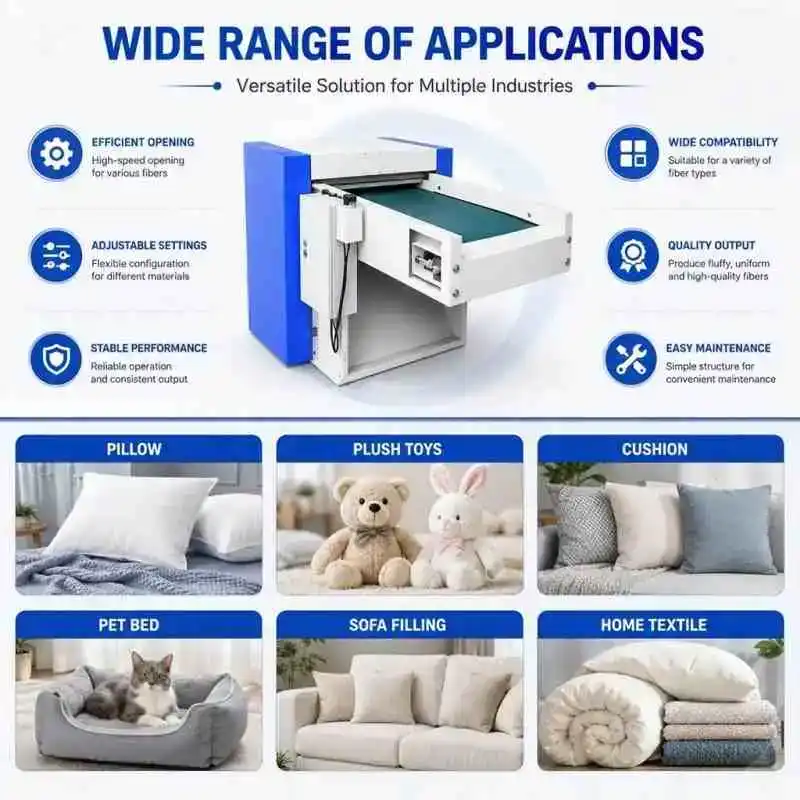
What Industries Use Home Textile Roll Packing Line?
5.1 Pillow Manufacturing
5.2 Cushion Manufacturing
5.3 Bolster and Body Pillow Manufacturing
5.4 Upholstered Furniture Manufacturing
5.5 Home Textiles and Bedding Manufacturing
What Products Can Be Manufactured by Home Textile Roll Packing Production Line?
Finished Product | Typical Application |
Sleeping Pillows | Bedroom and bedding products |
Hotel Pillows | Hospitality textile manufacturing |
Bolster Pillows | Cylindrical support pillows |
Body Pillows | Long sleeping and support pillows |
Decorative Cushions | Home furnishing products |
Sofa Back Cushions | Upholstered furniture production |
Long Cushion Inserts | Furniture and bedding accessories |
Cylindrical Cushion Inserts | Decorative and support products |
Why Choose INNOLD?
Professional Fiber Processing Equipment
INNOLD provides fiber opening, filling, rolling, and related equipment for home textile manufacturing applications.
Customized Production Solutions
Different products require different machine configurations.
We can recommend suitable equipment combinations according to your manufacturing needs.
Technical Consultation
Our team can assist with machine selection, equipment configuration, and production line planning.
Installation and Operation Support
INNOLD provides installation guidance, equipment operation assistance, and after-sales technical support.
Flexible Equipment Selection
Customers can discuss standalone machines or integrated production line configurations according to their production process.
Are you planning to manufacture polyester fiber pillows, hotel pillows, bolster pillows, or other rolled-fiber cushion products?
INNOLD provides fiber processing, rolling, and filling equipment solutions for home textile manufacturers.
Whether you need a basic fiber rolling and filling system or an integrated line with fiber opening, carding, feeding, and finishing equipment, our team can help evaluate the suitable configuration.
Contact us today to discuss your raw materials, fiber roll requirements, finished product dimensions, and expected production capacity.
Email: info@syinnold.com
WhatsApp: +86 180 4005 4857